Signed, Dated, Defended: Giving UK Reports a Named Custodian Before Year-End
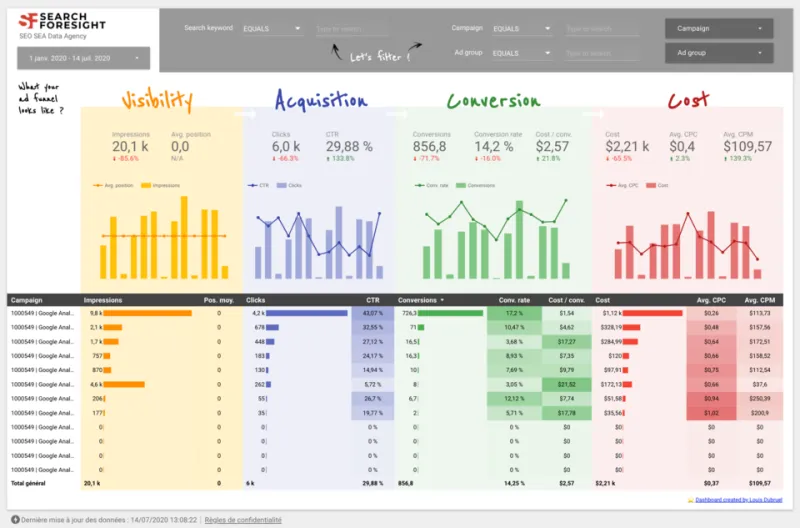
Photo: Louis Dubruel, CC BY-SA 4.0, via Wikimedia Commons
In UK operations, a report can acquire authority simply by being looked at often enough. A weekly dashboard becomes the version people quote. A monthly extract becomes the number in the pack. Then the original analyst leaves, the source table is rebuilt, and the report continues to refresh without anyone asking whether it still deserves the trust it receives.
By late 2026, this is not a hypothetical housekeeping issue. Year-end routines are forming, board papers are being drafted and December change freezes are approaching. Reports that are uncertified today will be harder to challenge once they are embedded in the numbers used to close the year. The task is not to tidy a reporting catalogue. It is to establish custody of decision support before the estate hardens around inherited assumptions.
Begin with a live-report register, not a tool export
Most organisations can produce a list of dashboards from their business intelligence platform. That list is useful, but it is not the audit. The audit starts with reports that are actually consumed: scheduled extracts, operational scorecards, exception lists, board pack pages, finance reconciliations and the spreadsheets that sit beside them.
Build the register around business moments rather than software folders. Which reports are opened at month-end? Which are circulated before an operational review? Which are used to challenge a supplier, approve a payment or explain a variance? For each entry, record the report name, location, current consumers, last known change and the source systems it touches. Completeness matters less than coverage of the reports that carry consequences.
Separate the owner from the steward and the consumer
A common failure is to treat the most senior consumer as the owner. Seniority is not custody. The owner is accountable for the report existing and being fit for purpose. The steward maintains its logic, permissions and source assumptions. The consumer uses it to make or support a decision. These roles may sit with different people, and none of them should be left implicit.
Where the original owner has moved on, map accountability to a role rather than an individual. Name the role in the register and confirm that the current post-holder accepts it. A report with no named steward should not be described as certified simply because it still refreshes. Refresh is a technical event, not a statement of fitness.
Trace every report to a decision
Every live report should connect to a decision, a control or an obligation. Ask what changes if the headline number moves materially. If the answer is nothing, the report may be informational clutter. If the answer is a payment, a provision, a staffing adjustment or a customer remedy, the report needs a higher standard of evidence.
This is particularly important in a UK year-end context. Reports that feed accruals, provisions, service credits, stock judgements or workforce plans should be traceable to the decision they support and the tolerance within which they are trusted. A report that cannot be linked to a decision is a candidate for retirement, not a candidate for another year of passive authority.
Test source and freshness assumptions
Reports rarely fail dramatically. They drift. A source column is repurposed, a filter is left switched on, a manual adjustment is applied outside the pipeline, or a refresh schedule changes without the consumers being told. The audit should test the assumptions that matter: lineage from source to report, inclusion and exclusion rules, time-zone handling, last successful load and the point at which data becomes too stale for the decision.
Freshness should be expressed as an expectation, not a vague hope. State the latest acceptable data for the report to be used, how lateness is detected, and who is informed when the threshold is missed. A report that cannot say when it was last fit for use is relying on consumer confidence rather than operational control.
Certify, qualify or retire
Late 2026 is a practical window for three outcomes. A report can be certified with a named steward, a linked decision, tested source assumptions and a review date. It can be qualified with explicit caveats and a remediation date. Or it can be retired, with consumers redirected and historical outputs archived where needed.
Retirement is often the hardest step because it removes something familiar. It should be handled as a controlled change, not a silent deletion. The register should record the replacement report, the date of withdrawal and the route for anyone who still needs the old view. Certification should be equally explicit: the label should travel with the report, not sit in a governance folder that consumers never see.
Make the register survive January
The ownership audit is not a one-off clean-up. It needs triggers: a steward leaving, a source system changing, a model being revised, a new consumer joining or a year-end pack being reissued. Add those triggers to change control and recertification routines. Otherwise the register becomes another artefact with an owner who has moved on.
For UK digital operations, the report estate is part of the operating model. Orphaned views are not harmless clutter. They carry apparent authority into decisions, and that authority becomes more expensive to challenge as year-end approaches. The discipline is straightforward: a named custodian, a traceable decision, tested assumptions and a visible status. A chart that cannot be defended should not be allowed to harden into fact.